





Ste. Anne’s Garden Guide: Tips for a Thriving Garden

The gardens at Ste. Anne’s Spa are more than a beautiful place to wander. They’re an important part of the Ste. Anne’s experience. Beyond offering a peaceful way to connect with nature, flowers, herbs and botanicals grown in our gardens are woven into so much of what we do, from fresh flowers throughout the inn and ingredients in our chef-prepared meals to our spa treatments and handcrafted Skin Nourishment and Apothecary products.
We invited our Acting Garden and Apothecary Manager, Hannah, to share some of the gardening knowledge she’s gained while caring for the gardens at Ste. Anne’s, including what to plant right now, how to encourage healthy blooms, and a few essentials that can help your own garden flourish.
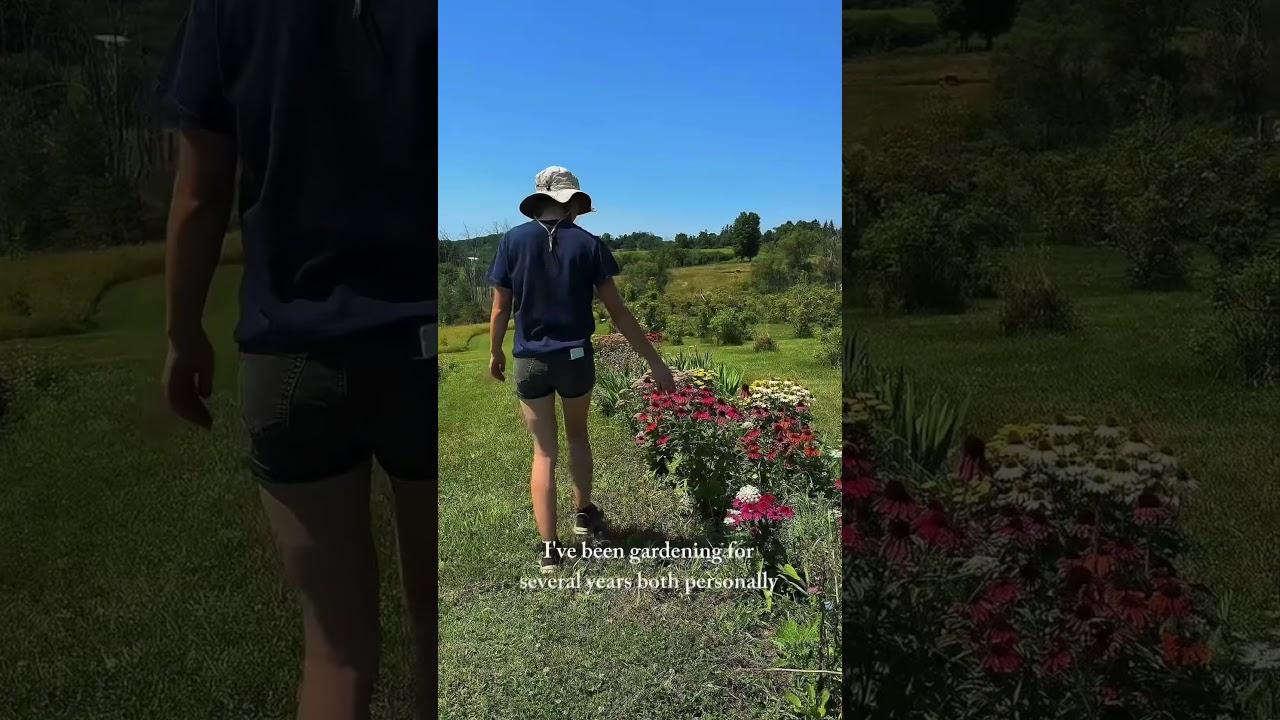
First, we’d love for you to meet Hannah. In the short video below, she shares a little about her journey as a gardener at Ste. Anne’s, what she enjoys most about working in the gardens, and one of the flowers she especially loves to grow. Then, keep reading for some of her advice for creating a beautiful, healthy garden of your own.
Healthy Blooms start with healthy plants.
Hannah shared five simple things you can do to help your plants put more of their energy into healthy growth and beautiful blooms:
1. Choose the right plant for the right location
Before planting, pay attention to how much sun or shade an area receives throughout the day. Choosing plants that naturally thrive in those conditions gives them a much better chance of flourishing and can mean less work for you throughout the season.
2. Give your soil some attention
Healthy plants start with healthy soil. Adding compost helps improve soil structure while providing valuable nutrients and organic matter, creating a stronger foundation for your plants to grow.
3. Water consistently
Rather than waiting until plants begin to look dry or stressed, aim for consistent watering based on their needs and the weather. This is especially important during hot, dry periods and for newly planted flowers that are still establishing their roots.
4. Remove spent blooms
Deadheading, or removing flowers once they have finished blooming, helps keep plants looking tidy and can encourage wide varieties to continue producing new flowers rather than putting their energy into seed production.
5. Keep weeds under control
Weeds compete with your plants for water, nutrients, light and space. Staying on top of them while they’re small makes the job easier and gives the plants you want to grow more of what they need to thrive.
They provide lasting colour, support pollinators, and continue looking beautiful well into the fall
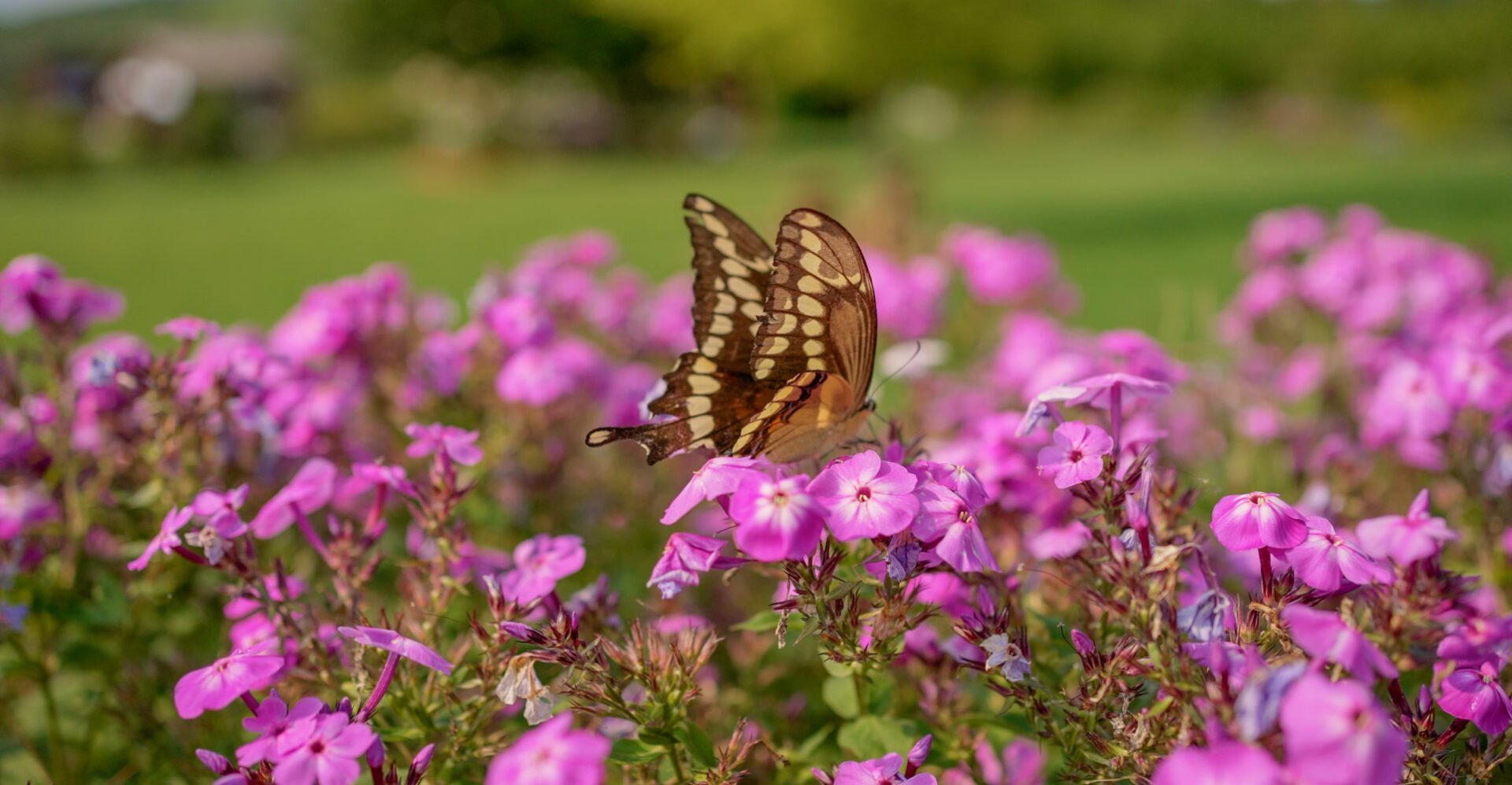
While good garden care can make a big difference throughout the season, timing matters too. Different flowers thrive when planted at different points in the gardening season.
For late-summer planting, Hannah recommends plants that naturally shine as summer begins to transition into fall. Asters, sedum and black-eyed Susans are wonderful choices for bringing fresh colour and interest to the garden later in the season.
With a little attention to location, soil, watering and ongoing care, you can help keep your garden healthy and blooming beautifully well beyond the height of summer.